Generator Installation Guide: Power Backup for Homes & Businesses
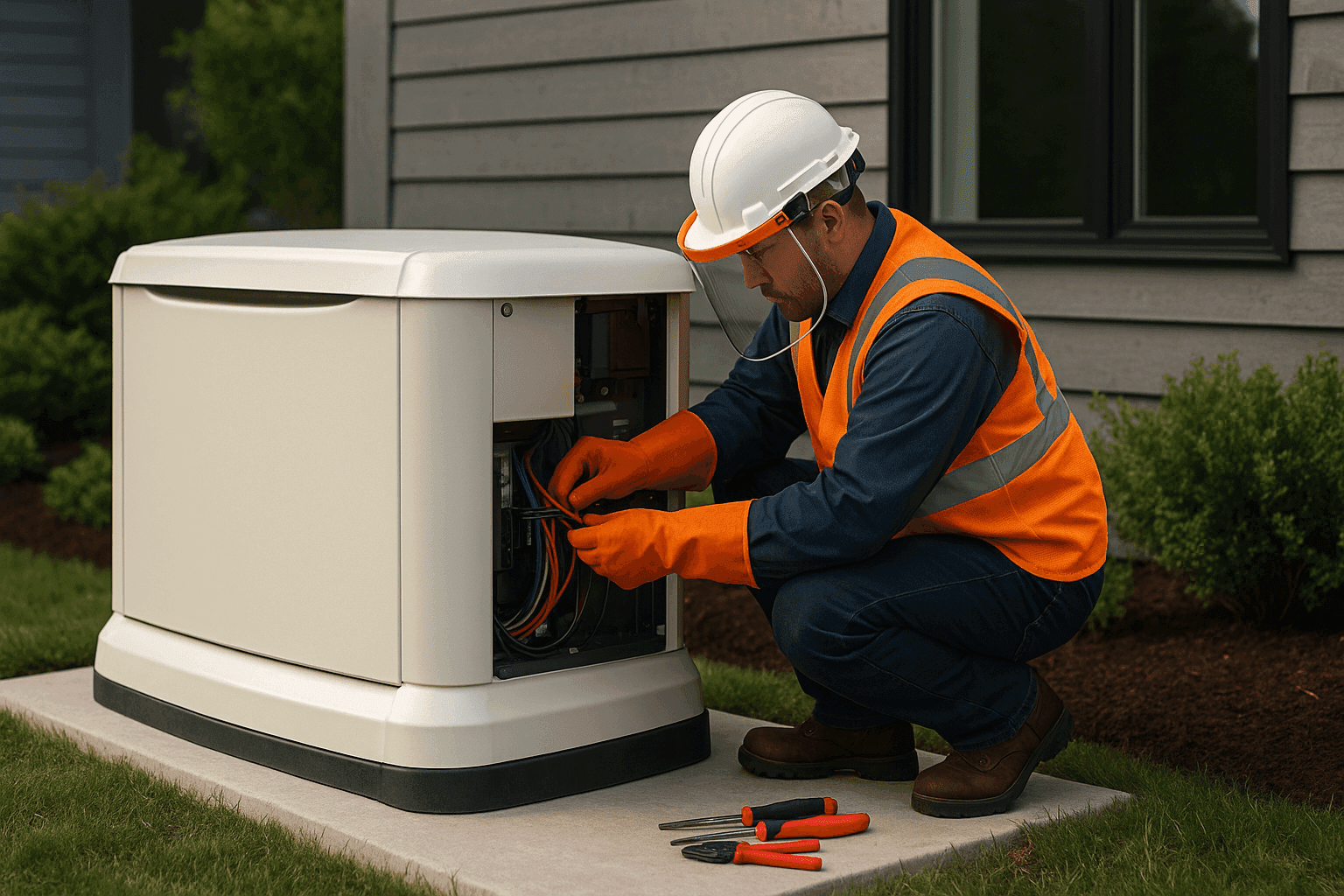
When the lights go out, life doesn’t pause. Whether it’s your home or your business, losing power can bring everything to a grinding halt. At K Kaiser Electric, we get how vital it is to keep your essentials running—your refrigerator, your security, your peace of mind. That’s why understanding generator installation isn’t just smart. It’s essential.
Let’s walk through what you need to know about choosing, installing, and maintaining a backup generator—without the confusion or sales pitches. Just practical steps, straight from seasoned electricians.
Why Backup Power Matters
Imagine a thunderstorm rolling in. The hum of your appliances vanishes. Your office grinds to a stop. In today’s world, power isn’t a luxury—it’s the backbone of comfort, business, and safety. For homeowners, a generator means hot showers, cold food, and working smoke detectors even when the grid fails. For businesses, it’s about keeping the lights on, the doors open, and the data safe.
Power outages can strike anywhere, anytime. Having a plan is like having a spare tire: you hope you never need it, but you’re glad it’s there.
Generator Types: Portable vs Standby
Choosing the right generator is like picking the right tool for the job. There’s no one-size-fits-all.
-
Portable Generators
- Easy to move.
- Great for short outages or powering a few essentials.
- Runs on gasoline, propane, or diesel.
- Needs manual setup and refueling.
- Not designed for whole-home or business backup.
-
Standby Generators
- Permanently installed outside.
- Kicks on automatically when power drops.
- Can handle entire homes or business needs.
- Runs on natural gas or propane.
- Professional installation required.
Both have their place. Portable units are like flashlights—handy in a pinch. Standby generators are more like built-in security systems—always ready, no action needed.
Sizing Your Generator: Don’t Guess
Sizing a generator isn’t about picking the biggest or cheapest box. It’s about matching your needs. Too small, and you’ll trip the system. Too big, and you waste fuel and money.
What to consider:
- List out what you need to power (fridge, HVAC, computers, lights, security systems).
- Check the wattage of each item (look at labels or manuals).
- Add up “starting” watts for devices with motors—they need more juice to start.
- Factor in future needs (like an EV charger or pool equipment).
A certified electrician from K Kaiser Electric can help you calculate the right size, especially for larger homes or commercial properties.
Fuel Options: What Powers Your Generator?
Generators don’t run on hope—they need fuel:
- Gasoline: Common for portables. Easy to store but short shelf life.
- Propane: Cleaner burning, stores well. Used in both portables and standby units.
- Natural Gas: Piped directly (for standby only). No refueling, but not available everywhere.
- Diesel: Efficient, long shelf life, more common in commercial/industrial settings.
Think about what’s available near you and how easy it is to keep your generator ready to go.
Installation Steps: From Idea to Operation
Here’s what to expect when installing a generator with an electrician:
- Assessment: An electrician checks your power needs, layout, and local codes.
- Choosing Location: Safe spot with proper clearance (away from windows/doors).
- Permits: Local codes often require electrical and sometimes plumbing permits.
- Pad/Foundation: Standby units need a stable, level base.
- Electrical Connections: Safe wiring to your panel, transfer switch installation.
- Fuel Hookup: Gas line or propane connection set up to code.
- Testing: Startup and safety checks, including transfer switch operation.
- Training: Basic instructions on operation and maintenance.
Trying to skip steps is like baking without following a recipe—something’s bound to go wrong.
Quick Safety Checklist ⚡
Before you even think about installation, run through this quick list:
- [ ] Have you listed your backup needs?
- [ ] Is your chosen location flood- and snow-proof?
- [ ] Do you know local code and permit requirements?
- [ ] Is your generator rated for outdoor use?
- [ ] Do you have working carbon monoxide detectors?
- [ ] Have you hired a licensed electrician?
- [ ] Will your fuel be safely stored and accessible?
- [ ] Is your main panel in good shape?
- [ ] Have you planned for regular maintenance?
Safety isn’t an extra step. It’s the main ingredient.
DIY vs. Call a Pro
Some folks like to get their hands dirty. But with generators, this isn’t like changing a lightbulb. The risks are real—shock, fire, carbon monoxide, and code violations that could void your insurance.
When to DIY:
- Small portable generators powering a couple of appliances via heavy-duty extension cords.
When to call an electrician:
- Installing a transfer switch.
- Standby generator installation.
- Any connection to your home’s electrical panel.
- Commercial generator setups.
- Fuel line connections.
Even seasoned handymen turn to electricians for generator installs. It’s not just about know-how. It’s about safety and legal compliance.
What Pros Do On Arrival
Here’s a peek at what a certified electrician from K Kaiser Electric will do:
- Inspect your electrical panel and wiring.
- Verify power needs and calculate generator size.
- Recommend the best location for safety and code compliance.
- Obtain all necessary permits.
- Install the generator base and set the unit.
- Run and secure all wiring and fuel lines.
- Install a transfer switch to prevent backfeeding—the dangerous flow of electricity back into the grid.
- Test the full system, including simulated outages.
- Show you basic operation and maintenance tasks.
Hiring a professional is like having a pilot fly the plane. You could try, but it’s best left to someone with the training.
Legal Permits and Safety Codes
Every town has its own rules. Most require:
- Electrical permits before starting work.
- Inspections after installation.
- Gas permits for fuel connections.
Why? It’s about safety for you, your neighbors, and utility workers. The National Electrical Code (NEC) and local building codes set the standards. Skipping permits can mean fines—or worse, a system that fails when you need it.
Always ask your electrician if permits are included in the service. At K Kaiser Electric, we handle the paperwork so you don’t have to worry.
Regular Maintenance: Keeping Your Generator Ready
A backup generator isn’t a “set it and forget it” device. Think of it like a car that sits in the garage. It needs regular attention to run when you need it most.
Maintenance tasks:
- Test run the generator monthly.
- Check oil and coolant levels.
- Inspect and replace air filters.
- Check battery and starter.
- Run a full load test annually.
- Schedule professional inspections.
Follow the manufacturer’s manual and ask your electrician to show you the basics. A well-maintained generator is a reliable one.
Costs & Time Factors
Generator installation isn’t a one-size-fits-all project. Here’s what affects the bottom line:
- Generator type and size: Larger standby units cost more than small portables.
- Location and site work: Pouring a pad, running wiring, and fuel lines add to labor.
- Permits and inspections: Fees vary by area.
- Transfer switch installation: Required for safe whole-home or business backup.
- Upgrades: Older electrical panels or wiring may need upgrades.
Portable generators can be ready in a day. Standby units take longer—often a week or two from permit to final test—especially if upgrades or inspections are needed.
When It’s an Emergency
If you’re facing an outage right now, safety comes first:
- Don’t run portable generators indoors or in garages—carbon monoxide is deadly.
- Keep generators dry and away from open windows.
- Use only heavy-duty, outdoor-rated cords.
- Never plug a generator directly into a wall outlet (backfeeding risks lives).
For urgent help, a 24-hour electrician from K Kaiser Electric can advise or assist with emergency generator issues, including safe connections and troubleshooting.
FAQ
How often should I test my standby generator?
Test your generator at least once a month. Let it run long enough to reach normal temperature and cycle through. Schedule an annual professional check—think of it as your generator’s yearly physical.
Can I install a generator myself?
Portable generators can be set up by homeowners if used safely and never connected directly to household wiring. Standby generators must be installed by a licensed electrician. It’s about safety, insurance, and code requirements.
What size generator do I need for my business?
It depends on what you need to keep running. List essentials—computers, lights, HVAC, security, Motor Control Systems near you—and total their wattage. An electrician will help you choose a unit matched to your specific needs.
Do I need permits for a generator?
Yes. Most localities require electrical and—if using gas—fuel permits. Legal installations protect you and ensure the system works safely.
Local & Seasonal Considerations 🏡
Backup power needs can change with the seasons:
- Winter: Ice and snow can block vents or bury propane tanks. Keep the area clear.
- Summer: High temps put extra strain on cooling and refrigeration. Make sure your generator is rated for full loads in hot weather.
- Rural vs Urban: Rural areas may face longer outages, so fuel storage and longer run times matter. Urban sites may have stricter noise or placement rules.
- Commercial Properties: Some businesses, like restaurants or data centers, have unique needs—ask about custom electrical system design and safety inspections.
Always talk with your local electrician about what works best for your climate, property, and power priorities.
Ready to invest in safe, reliable backup power? Don’t wait for the next storm or outage. Call K Kaiser Electric now — or reach us anytime at 844-491-1445 .