How to Troubleshoot Circuit Breaker Problems at Home
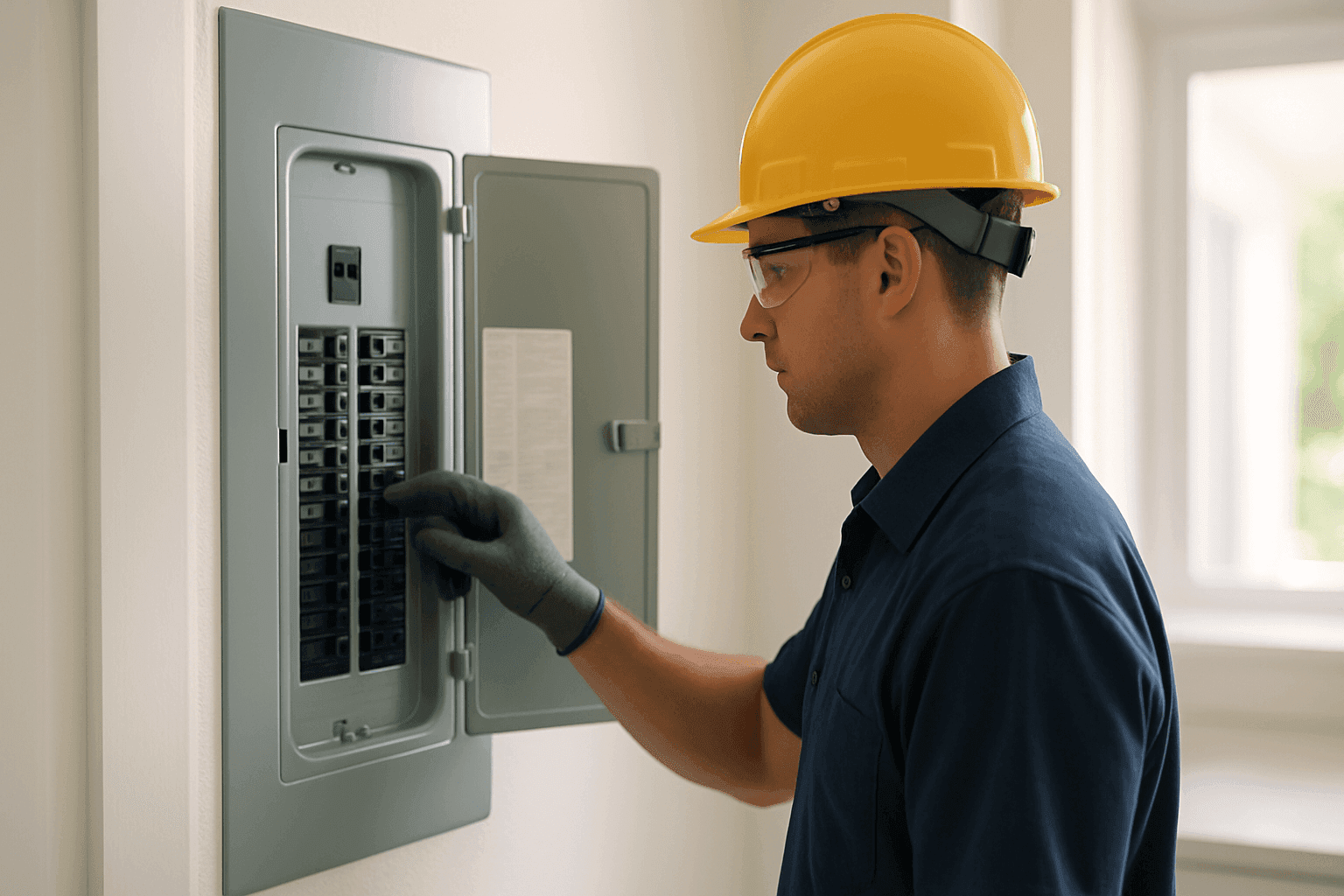
Is the power out in just one room? Did your lights flicker, then go dark? When a circuit breaker trips, it’s like your home’s way of saying “slow down!”—but it’s easy to feel lost or frustrated in the moment.
At K Kaiser Electric, we know how important a safe, steady flow of electricity is to your daily life. Whether you’re worried about a buzzing panel or just tired of resetting breakers, this guide will walk you through the process—safely and simply.
How Circuit Breakers Work—and Why They Trip ⚡
Circuit breakers are your home’s built-in bodyguards. Their job is simple: stop the flow of electricity when there’s too much of it. Instead of letting wires overheat (a recipe for fire), a breaker “trips” to keep things safe.
Why do they trip?
Think of a breaker like a bouncer at a busy club—if too many people try to crowd in, someone has to say stop. Here are the most common reasons:
- Overloaded Circuits: Plugging in too many devices on one line.
- Short Circuits: Wires touching where they shouldn’t (like a shortcut that’s dangerous).
- Ground Faults: Power escaping a circuit, often through moisture or damaged insulation.
- Faulty Appliances or Wiring: Old or broken devices can draw more power than they should.
If your breaker trips repeatedly, it’s a sign something’s wrong—never just ignore it.
Quick Safety Checklist Before You Begin
Electricity doesn’t give second chances. Before you start, remember:
- Never touch exposed wires.
- Dry hands only. Wet hands and electricity are a dangerous mix.
- Stand on a dry surface. Avoid basements or damp areas.
- Use a flashlight, not a candle, for light.
- If you see smoke, scorched marks, or smell burning, stop now and call an electrician.
- Do not remove the breaker panel cover. (That’s strictly pro territory.)
- Always follow local and national electrical codes (see the National Electrical Code® for reference).
Step-by-Step: Safe Circuit Breaker Troubleshooting
Unplug Appliances and Devices
First, unplug everything on the tripped circuit. Sometimes, just one old toaster or overloaded power strip is the culprit. Picture it like a crowded elevator—take some weight off, see if the door works again.
- Work room by room, unplugging lamps, TVs, chargers, and kitchen gadgets.
- Don’t forget hidden items (like a plugged-in vacuum behind a door).
Check for Visible Damage
Take a careful look at outlets and cords. You’re hunting for:
- Burn marks or melted plastic
- A “hot” or buzzing outlet
- Cracked plugs
If you see any of these, stop—this is a job for a licensed electrician.
Resetting the Breaker
Find your main panel (usually in a garage, basement, or utility room).
- Look for the switch that’s out of line with the rest. It’ll feel loose or “floppy.”
- Push the breaker firmly to the OFF position first, then back to ON.
- If it trips again immediately, there’s a bigger problem.
Never tape a breaker open or force it to stay on. That’s like taping over a “check engine” light and hoping for the best.
When to Call an Electrician
If the breaker:
- Trips again after you unplug everything and reset it
- Is hot to the touch
- Smells like burning plastic
- Shows scorch marks
- Powers critical systems (like medical equipment or major appliances)
It’s time to stop and call in a professional. Troubleshooting complex electrical issues is not just a matter of skill—it’s a matter of safety and legal compliance.
DIY vs. Call a Pro: What’s Safe, What’s Not
It’s tempting to do it all yourself. But with electricity, there’s a clear line.
You can:
- Unplug devices
- Reset breakers
- Visually inspect for obvious hazards
You should not:
- Remove or open the breaker panel
- Replace breakers or wires
- Tinker with “mystery” devices or high-voltage systems
Why? The National Electrical Code® requires that most repairs and installations be performed by a certified electrician. It’s not just about skill—it’s about insurance, compliance, and safety for everyone in your building.
What Happens When a Pro Arrives
When a certified electrician from K Kaiser Electric comes to your home, here’s what happens:
- Visual and Instrument Inspection: We use professional-grade testers to check for hidden faults.
- Load Analysis: We look at what’s on your circuit—sometimes a single appliance is too much.
- Wiring and Panel Check: We examine inside the panel (always with proper tools and training).
- Code Compliance: We ensure everything meets the latest standards.
- Clear Communication: You get a plain-English explanation of what’s wrong and what it’ll take to fix it.
Safety inspections often follow guidelines from the National Fire Protection Association (NFPA 70).
Prevention & Maintenance
Keep your electrical system healthy with a few simple habits:
- Don’t overload outlets or power strips.
- Replace old or damaged cords right away.
- Schedule regular electrical safety inspections (especially in older homes).
- Label your breaker panel for easy identification.
- Consider upgrades for appliances, lighting, or even EV chargers—with help from an electrician familiar with Motor Control Systems near you.
Costs & Time Factors
How long will this take? What’s it going to cost?
It depends on the issue:
- Simple reset: Minutes, usually free (DIY).
- Appliance or outlet problem: May take an hour or two.
- Panel or wiring issue: Several hours, possibly more for complex jobs.
- Parts or upgrades: Additional time for ordering and installation.
A quick diagnostic call can clarify what’s needed and how soon you’ll be up and running.
When It’s an Emergency
Some situations can’t wait:
- Sparks, smoke, or burning smells from the panel
- Power loss to critical appliances (like medical devices, refrigerators, or sump pumps)
- Signs of flooding or water near electrical systems
- Constant breaker tripping with no clear cause
These are red flags. Step away and contact emergency electrical services right away. K Kaiser Electric offers 24-hour service for just these moments.
Frequently Asked Questions
Why does my breaker keep tripping when I use the microwave or air conditioner?
Large appliances draw a lot of power. If your circuit wasn’t designed for that load, it will trip to prevent overheating.
Is it safe to reset the breaker more than once?
If it trips again immediately or repeatedly, this signals a deeper issue. Don’t keep flipping it—call for help.
Can I just swap out a breaker myself?
No. Swapping breakers may seem simple, but a wrong move can lead to shock, fire, or void your insurance. Always use a certified electrician.
How often should I have my panel checked?
For most homes, every 3–5 years or after major renovations. Older properties or those with heavy equipment (like EV chargers or pools) may need more frequent checks.
Local and Seasonal Considerations
Depending on your region, the demands on your electrical system can shift:
- Summer: Air conditioning, pool pumps, and outdoor lighting all add load.
- Winter: Heaters, holiday lights, and generators can stress circuits.
- Storms: Lightning or flooding increases risk—especially for older wiring.
If you have new systems (like home automation, backup generators, or EV chargers), make sure your panel and wiring can handle the load. An electrician can help you plan upgrades or maintenance—no matter what season it is.
Ready to get the lights back on—or just want peace of mind?
Call K Kaiser Electric now — or reach us anytime at 844-491-1445 .