A Homeowner’s Guide to Electrical Panel Upgrades
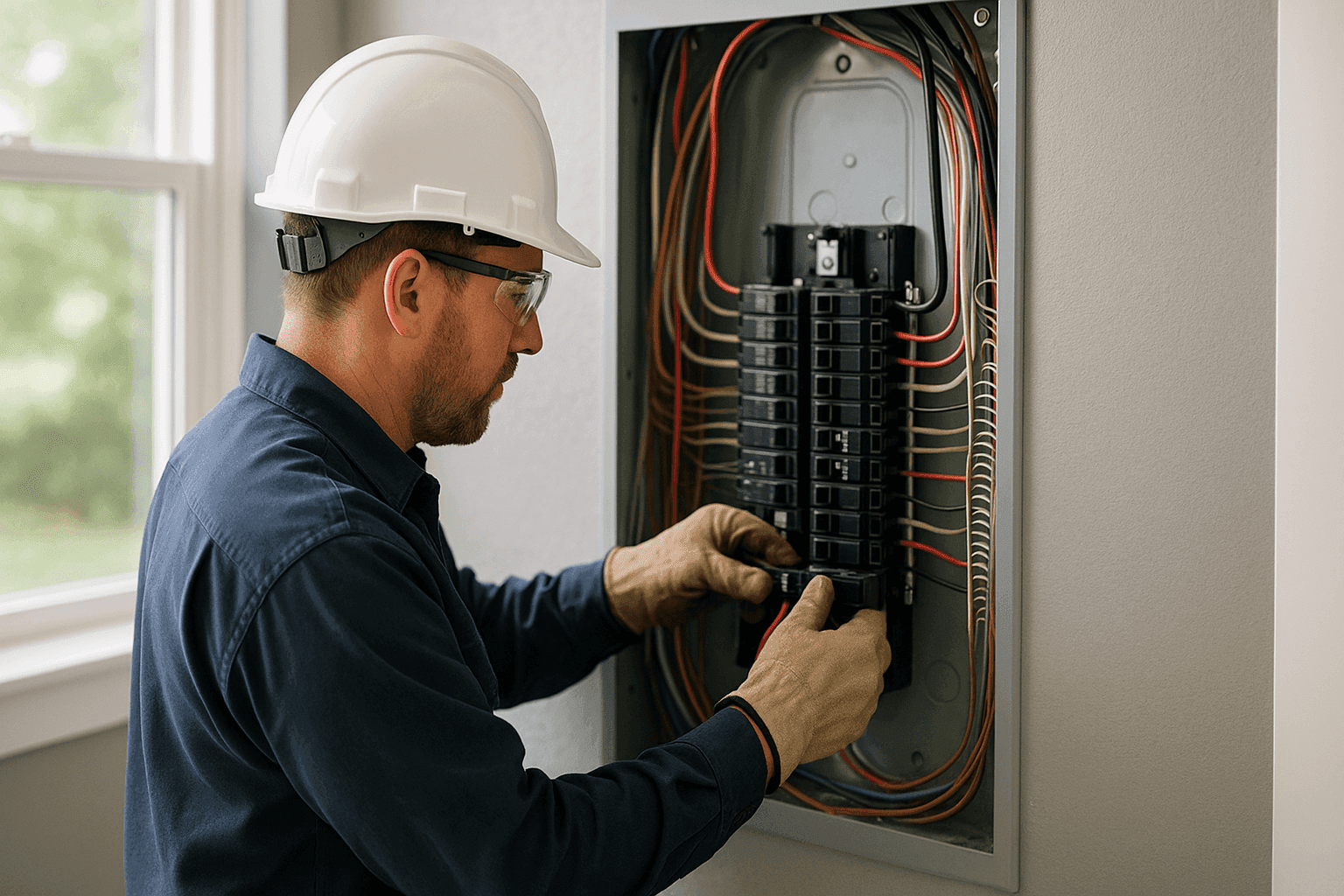
Electricity keeps your world running, but few things in your home work harder—or are more overlooked—than your electrical panel. It’s the silent traffic cop, directing power to every room, device, and appliance. When it’s outdated, your safety and comfort are on the line.
If you’re seeing flickering lights, tripping breakers, or struggling to plug in new tech, it’s not just an inconvenience. It’s a warning. At K Kaiser Electric, we help homeowners and businesses stay safe, efficient, and ready for the future.
What Is an Electrical Panel—and Why Does It Matter?
Think of your electrical panel as the heart of your home’s power. It takes electricity from the utility company and divvies it up into circuits—each feeding parts of your house and everything you plug in.
When your panel can’t keep up, it’s like using a garden hose to fill a swimming pool. The flow just isn’t enough. Outdated panels can fail to protect you from overloads, sparking risks that go far beyond a simple blackout.
Today’s homes demand more power than ever: big appliances, home theaters, EV chargers, and automation tools. Your panel must be ready—not just for today, but for tomorrow’s upgrades.
Signs Your Electrical Panel Is Outdated ⚡
How do you know if your panel is calling for help? Watch for these red flags:
- Frequent circuit breaker trips: If your breakers trip often, your panel may be overloaded or worn out.
- Flickering or dimming lights: Lights that flicker when you use appliances signal capacity problems.
- Insufficient power: Struggling to run multiple devices? That’s your panel waving a white flag.
- Warm or buzzing panel: The panel should never feel hot or make odd noises.
- Old fuse boxes: Still using fuses instead of breakers? It’s time for a modern, safer solution.
- Rust, corrosion, or visible damage: These are signs of water intrusion and aging, both big safety risks.
- Added appliances or renovations: New kitchen? EV charger? Hot tub? Your old panel may not be able to keep up.
If you recognize any of these, it’s time for a professional assessment. Don’t wait for small problems to become emergencies.
The Risks of an Outdated Electrical Panel
An aging panel isn’t just a nuisance—it’s a hazard. Here’s what’s at stake:
- Electrical fires: Overloaded circuits and faulty breakers can spark dangerous fires.
- Appliance damage: Surges and voltage drops can fry sensitive electronics and appliances.
- Power outages: Old panels struggle to deliver consistent energy, leading to blackouts and frustration.
- Insurance issues: Many policies won’t cover homes with outdated or unsafe electrical systems.
- Code violations: Panels that don’t meet current safety codes can derail renovations or home sales.
- Reduced capacity for upgrades: Thinking about an EV charger or smart home automation? An old panel can’t handle the load.
Safety isn’t just about avoiding inconvenience. It’s about protecting your home, your investment, and everyone inside.
The Electrical Panel Upgrade Process: What to Expect
Upgrading your panel is a smart investment, but what does the process actually involve? Here’s how a licensed electrician approaches it:
1. Initial Assessment and Planning
- Load calculation: Your electrician will determine your home’s electrical needs, factoring in appliances, HVAC, lighting, and plans for additions like EV chargers.
- Inspection: The current panel, wiring, and grounding system are thoroughly checked.
- Code review: Every step follows the National Electrical Code (NEC) and local safety standards.
- Permit application: Upgrades require official permits to ensure safe, code-compliant work.
2. Panel Selection and Sizing
- Capacity matters: Most modern homes need at least a 200-amp panel, but your needs may vary.
- Future-proofing: Planning for new appliances or home automation? Choose a panel with extra space for future circuits.
- Safety features: Arc-fault and ground-fault protection are required in many areas for added safety.
3. Installation Day
- Power off: The main power is shut off for safety.
- Old panel removal: The existing box and breakers are carefully disconnected.
- New panel installation: A new box is mounted, circuits connected, and breakers installed.
- System testing: Every circuit is tested for proper operation and safe grounding.
4. Final Inspection
- Code compliance: Local inspectors verify every detail meets the NEC and city codes.
- Documentation: You’ll receive records for your insurance and future reference.
A panel upgrade isn’t just about swapping a box. It’s a careful, step-by-step process to ensure your home is safe, efficient, and ready for tomorrow.
Safety Standards and Capacity Requirements
Electrical standards exist to protect you. The National Fire Protection Association (NFPA) publishes the NEC, which sets the bar for safe installations. Your electrician will also follow local codes, which may have stricter rules for certain areas.
- Breakers must match wire size: Using the wrong size is a fire risk.
- Panels must be accessible: Don’t block your panel with shelves or storage.
- Proper grounding is critical: This keeps your system safe from surges and lightning.
- Surge protection: Many new panels include whole-home surge protection.
Always ensure your electrician is licensed and up to date on the latest safety codes.
The Benefits of Upgrading Your Electrical Panel
Why invest in a panel upgrade? Here’s what you gain:
- Peace of mind: Modern panels reduce fire risk and improve overall safety.
- Power for today’s needs: Run all your appliances, tech, and tools without worry.
- Ready for the future: Add an EV charger, smart home systems, or even a workshop.
- Home value: Upgrades make your property more attractive to buyers and lenders.
- Insurance compliance: Many insurers require up-to-date panels for full coverage.
- Smooth renovations: Avoid costly delays during remodels or additions.
It’s not just about preventing problems—it’s about powering your life with confidence.
Typical Costs and What Affects Pricing
Panel upgrades are a significant investment. While prices vary, here are the main factors that influence cost:
- Panel size (amperage): Larger panels (200 amp or higher) cost more than smaller ones.
- Home age and wiring condition: Older homes may need additional rewiring or repairs.
- Complexity and location: Hard-to-reach panels or those requiring extra work (like moving from inside to outside) add to the total.
- Permits and inspections: Required by law and included in the overall price.
- Added features: Whole-home surge protection, generator transfer switches, or special breakers increase cost.
- Emergency service: After-hours work or urgent repairs are generally more expensive.
For many, the investment pays off in safety, peace of mind, and long-term savings. When in doubt, get a written estimate and ask for an explanation of each charge.
Professional Electricians vs. DIY: Why Skill Matters
Upgrading an electrical panel isn’t a weekend project. Electricity is unforgiving—mistakes can mean fires, shocks, or failed inspections.
A licensed electrician brings critical knowledge:
- Code compliance: They know the NEC and local rules by heart.
- Proper load calculations: Prevents overloads and future headaches.
- Safe installation: Professional tools and technique protect your home and everyone in it.
- Warranty and documentation: Essential for insurance and future upgrades.
If you’re tempted to tackle this yourself, remember: Electrical work is like surgery. It’s not the place to learn as you go.
Quick Safety Checklist: Should You Upgrade?
Here’s a rapid-fire list to help you decide if it’s time for a panel upgrade:
- Are your breakers tripping frequently?
- Do your lights flicker, especially when large appliances run?
- Is your panel more than 25 years old?
- Are you planning to buy an EV, install a hot tub, or add major appliances?
- Do you notice buzzing sounds or warmth coming from your panel?
- Have you added new rooms, a workshop, or an office?
- Is your insurance company asking about your electrical system?
If you answered “yes” to any of these, schedule a professional inspection soon.
The Role of Maintenance in Electrical Panel Health
Just like your car, your electrical system needs occasional check-ups:
- Annual inspections: Catch worn breakers, loose wires, and potential hazards early.
- Keep it clear: Don’t stack boxes or storage in front of your panel.
- Test GFCI and AFCI breakers: These safety devices need regular testing.
- Look for signs of trouble: Rust, corrosion, or a burning smell need immediate attention.
Routine maintenance extends the life of your panel and keeps your home running smoothly.
When It’s an Emergency 🚨
Some electrical issues can’t wait. Call an electrician right away if:
- You see smoke, sparks, or smell burning near the panel.
- The panel is hot to the touch.
- Breakers won’t reset or keep tripping instantly.
- Water leaks onto or near the panel.
- You lose power to half or all of your home unexpectedly.
Don’t try to fix these yourself. Safety comes first—always.
Frequently Asked Questions
How long does a panel upgrade take?
Most upgrades are completed in one day, though complex jobs or additional rewiring may take longer.
Can I add more circuits to my current panel?
Sometimes, but if your panel is already full or outdated, it’s safer and more cost-effective to upgrade.
Is a new panel required for an EV charger?
Often, yes. EV chargers draw significant power, and most older panels aren’t equipped for the load.
Will my power be off during the upgrade?
Yes, but only while the work is underway. Your electrician will minimize downtime as much as possible.
Local and Seasonal Considerations
In many areas, weather and local codes add extra wrinkles:
- Storm season: Upgrades before storm season can prevent outages and damage.
- Pool and spa installations: Summer renovations may require higher panel capacity.
- Regional codes: Some regions require specific panel types or surge protection.
- Older neighborhoods: Homes built before the 1980s often need full system upgrades.
Always check with a local, licensed electrician familiar with your area’s requirements.
Your electrical panel is the control center of your home. Don’t let an outdated box hold you back—or put your safety at risk. For questions, upgrades, or 24-hour service, trust the team that knows electrical systems inside and out.
Call K Kaiser Electric now — or reach us anytime at 844-491-1445 .