Essential Electrical Safety Tips for Homeowners
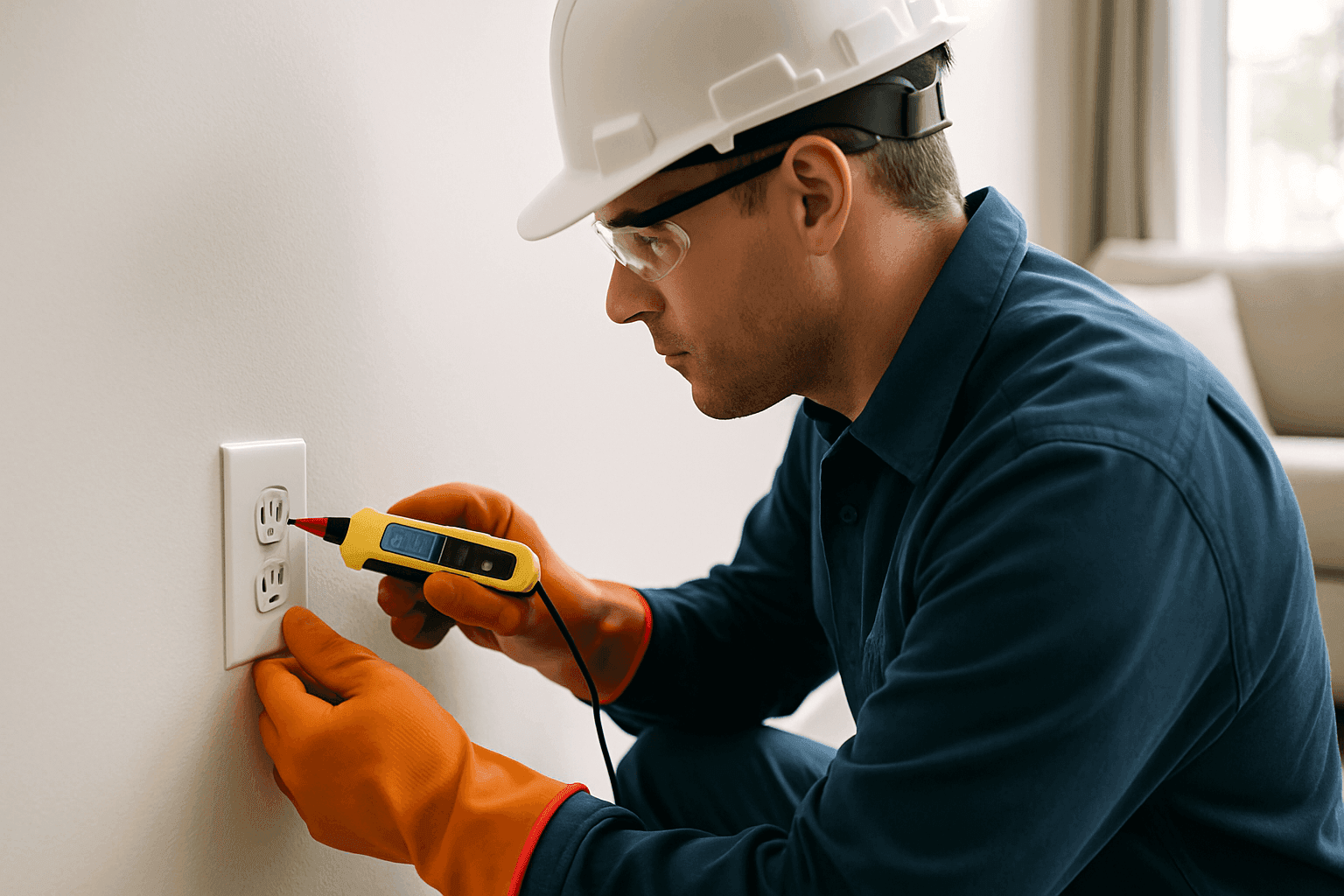
Electricity powers your favorite things: morning coffee, late-night movies, even the comfort of a warm shower. But behind the scenes, it can bite—fast and hard—if you let your guard down. At K Kaiser Electric, we see how small mistakes add up to big problems. Electrical safety isn’t just a checklist. It’s a habit. And it’s one that saves more than just your gadgets—it protects your home, your family, and your peace of mind.
Every year, according to the National Fire Protection Association (NFPA), electrical failures or malfunctions cause tens of thousands of home fires. Most are preventable. Let’s break down what you can do, starting today.
Everyday Risks and Habits: Where Trouble Starts
A frayed cord. A buzzing outlet. An overloaded power strip. These aren’t just quirks—they’re warning lights on your home’s dashboard. Think of electricity like water in a river: push it too hard, or let it overflow its banks, and damage is inevitable.
Common mistakes we see:
- Plugging too many devices into one outlet or extension cord.
- Using appliances with damaged cords.
- Ignoring outlets that feel hot or spark when used.
- Letting cords run under rugs or doors, where they can fray unseen.
- Forgetting to replace batteries in smoke and carbon monoxide detectors.
Each habit seems small—until it’s not. The U.S. Consumer Product Safety Commission (CPSC) reminds us that more than 5,300 residential fires start in electrical outlets and receptacles every year.
Quick Home Safety Checklist ⚡
Use this checklist to spot hazards before they cause trouble:
- Outlets: Check for discoloration, buzzing, or warm plates.
- Appliances: Unplug when not in use. Inspect cords for wear.
- Extension cords: Use only as a temporary solution, never for permanent wiring.
- Bathrooms and kitchens: Only use Ground Fault Circuit Interrupter (GFCI) outlets near water.
- Panels and breakers: Know where your breaker box is and label switches for quick shut-off.
- Childproofing: Install outlet covers if you have kids or frequent visitors.
- Surge protection: Use quality surge protectors for electronics and major appliances.
- Smoke/CO detectors: Test monthly, replace batteries every six months.
- Lighting: Replace bulbs with the correct wattage. Don’t exceed fixture ratings.
Want added peace of mind? Schedule a yearly electrical safety inspection by a certified electrician.
When to DIY and When to Call a Professional
Changing a light bulb or resetting a tripped breaker? Most folks can handle that. But electricity isn’t forgiving. If you’re tempted to “figure it out” with YouTube and a screwdriver, think twice.
Call a licensed electrician if you notice:
- Flickering or dimming lights when appliances turn on.
- Outlets or switches that spark, buzz, or shock.
- Frequently tripping breakers or blown fuses.
- Burning smells, especially near outlets or panels.
- Projects that involve wiring, panel upgrades, or new circuits.
Remember: Even something as simple as installing a ceiling fan or EV charger can put you in harm’s way if you don’t know the code. The National Electrical Code (NEC) exists for a reason.
What Certified Electricians Do On Arrival
When you call K Kaiser Electric, we show up with more than just tools. We bring expertise built on thousands of hours of training and code knowledge.
Here’s what happens during a typical visit:
- We listen to your concerns and ask about recent issues.
- Inspect outlets, panels, and visible wiring for code violations or wear.
- Test circuits, breakers, and safety devices (like GFCIs and smoke detectors).
- Use specialized equipment to find hidden faults or dangerous wiring.
- Provide clear feedback and options—no guesswork.
Our team can handle everything from Motor Control Systems near you to lighting, generators, and emergency repairs. For us, safety isn’t a suggestion—it’s the foundation.
Prevention & Maintenance: Staying Ahead of Hazards
Preventing electrical problems is like brushing your teeth—do it regularly, and you avoid painful surprises later. Here’s how homeowners can stay safe:
- Schedule annual electrical safety inspections.
- Update old wiring: Homes built before the 1980s may have outdated, unsafe wiring.
- Install arc fault circuit interrupters (AFCIs): These prevent fires caused by arc faults.
- Upgrade panels and breakers: Especially if you’re adding new appliances or EV chargers.
- Maintain outdoor wiring: Pool and spa electrical systems need regular checks.
- Back up with generators: Power outages happen. A backup generator, installed by a pro, keeps essentials running safely.
Routine maintenance catches problems early—before they can spark a fire.
Costs & Time Factors: What to Expect
Electrical work isn’t one-size-fits-all. The cost and time depend on the job:
- Quick fixes: Replacing outlets or switches may take an hour or less.
- Upgrades: Panel replacements or rewiring can take a day or more.
- Inspections: A full home check usually takes 1–2 hours.
- Emergency service: Fast response, but complexity can vary.
Remember: Cutting corners with unlicensed work can cost more in repairs, insurance, and safety down the line. It’s like patching a leaky roof with tape—it might hold for a week, but you’re risking everything underneath.
When It’s an Emergency 🚨
Some electrical problems just can’t wait. If you notice any of these, call for emergency service immediately:
- Burning smells or visible smoke from outlets, switches, or panels.
- Sparking or arcing (visible flashes) from wiring.
- Power outages affecting only part of your home.
- Water in contact with electrical systems—after a flood, storm, or broken pipe.
Don’t try to fix it yourself. Turn off power at the main breaker if it’s safe, get everyone out, and call for help.
Frequently Asked Questions
Q1: How often should I have my home’s electrical system inspected?
Most safety organizations, including the Electrical Safety Foundation International (ESFI), recommend a full inspection every 3–5 years—or immediately if you notice any warning signs.
Q2: Can I install my own smoke and carbon monoxide detectors?
Many models are designed for DIY installation, but placement matters for safety. For interconnected or hardwired systems, hire a licensed electrician.
Q3: Are surge protectors really necessary?
Yes. Power surges can happen anytime—especially during storms or utility work. Quality surge protection saves electronics and prevents fires.
Q4: What’s the safest way to childproof my outlets?
Invest in tamper-resistant outlets or sturdy plug covers. Never use makeshift solutions like tape or improvised barriers.
Local and Seasonal Risks: Weather, Holidays, and More
From summer storms to winter holidays, each season brings unique electrical risks.
- Storms: Lightning and high winds can damage lines and cause surges. Unplug sensitive electronics if storms are forecast.
- Holiday lighting: Use outdoor-rated lights and extension cords. Never daisy-chain too many strings together.
- Pools and spas: Extra moisture means extra caution. Schedule regular inspections for all outdoor wiring and equipment.
- Extreme heat or cold: Appliances and HVAC systems work overtime. Don’t overload circuits—spread out usage if possible.
Stay alert to seasonal changes. Your home’s needs shift, and your safety routines should, too.
The Bottom Line: Make Safety a Habit
Electrical safety isn’t just for “old houses” or big renovations. It’s an everyday practice—like locking your door or buckling your seatbelt. With simple habits and regular checkups, you can keep your home bright, comfortable, and above all, safe.
If you ever have doubts, don’t wait. Call K Kaiser Electric now — or reach us anytime at 844-491-1445 .