When to Call an Emergency Electrician: Signs & Safety Steps
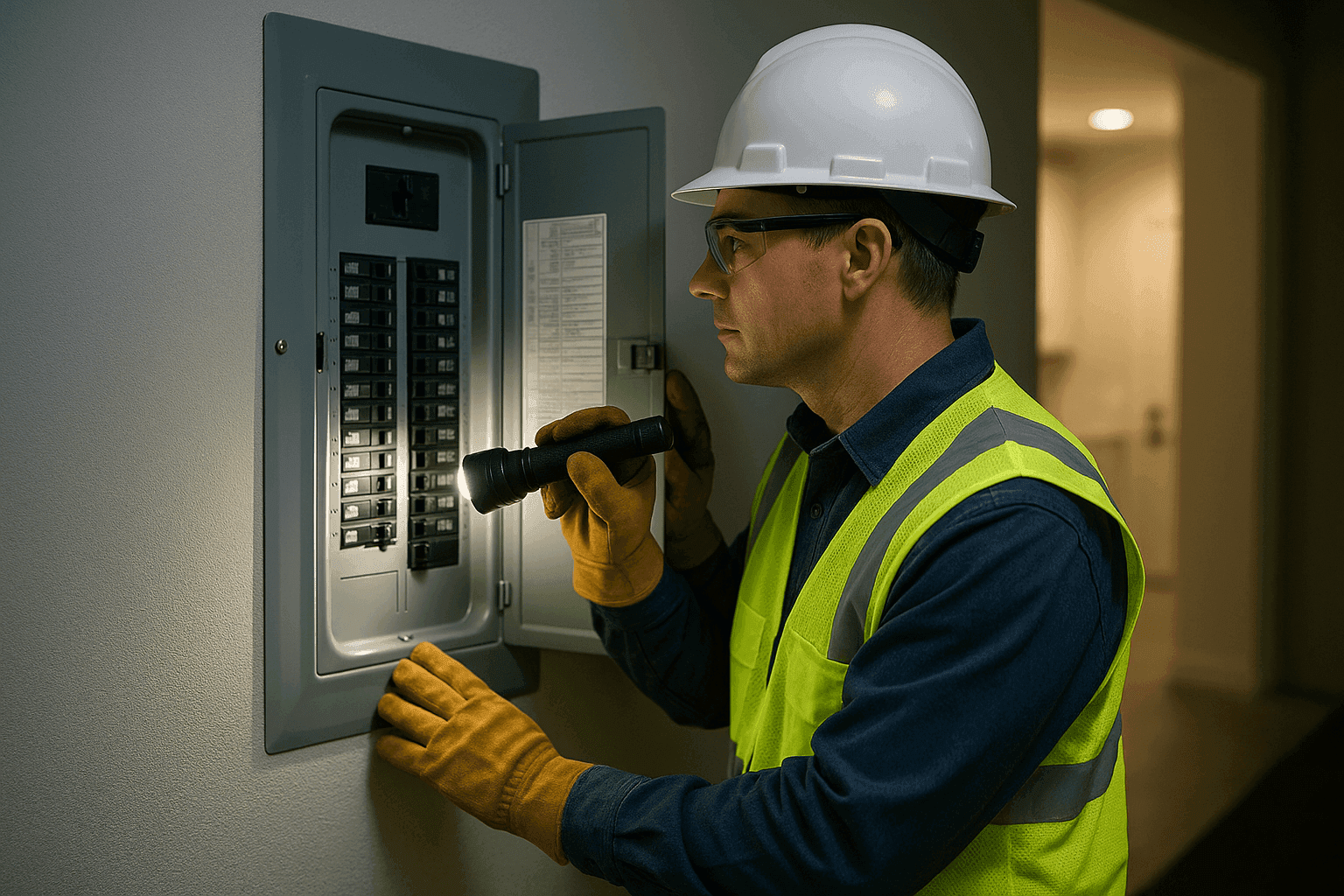
When the lights flicker, alarms blare, or you smell something burning behind your walls, it feels like the world stops for a moment. No one expects an electrical emergency, but when it happens, fast thinking can mean the difference between a minor scare and major danger.
At K Kaiser Electric, we see it all—from sparks flying out of panels at midnight to silent failures that threaten your safety. We’re here to help you recognize the signs and take the right steps, so you and your property stay safe.
Understanding Electrical Emergencies: What’s Really Urgent? ⚡
Not every electrical problem is an emergency. But some issues demand action now—just like a fire alarm blaring in the night. Here’s what counts as an electrical emergency:
- Sparks or arcing from outlets, switches, or panels
- Burning smells (like melting plastic or fishy odors) near wiring, outlets, or your electrical panel
- Smoke or visible charring on outlets, switches, or appliances
- Complete loss of power—especially if your neighbors have power
- Exposed wires or wires in water
- Frequent breaker tripping or breakers that won’t reset
- Shocks or tingling sensations from touching appliances or outlets
- Electrical fires (even small ones, quickly extinguished)
If you notice any of these, it’s time to act—fast.
Routine vs. Emergency: Spotting the Difference
Routine electrical issues are like potholes in your driveway: annoying but not dangerous if you slow down. Emergencies are more like hitting black ice—you need to react immediately.
Routine issues:
- Flickering lights (not accompanied by burning smell or heat)
- Outlets not working (but no smoke or heat)
- Loose switches or covers
- Appliances tripping a breaker occasionally
Emergency issues:
- Hot or scorched outlets
- Breakers that trip and won’t reset
- Sudden loss of power in key areas
- Any situation involving smoke, fire, or exposed wires
Quick Safety Checklist: What To Do Right Now
Every second counts in an electrical emergency. Here’s a step-by-step guide to protect yourself and those around you:
- Shut off main power at the breaker panel if it’s safe to do so. Never touch the panel if you see smoke or water nearby.
- Evacuate the area if you smell burning or see smoke.
- Avoid water. Never touch electrical systems with wet hands or while standing on a wet surface.
- Don’t use appliances or outlets that are sparking or hot.
- Call an emergency electrician immediately.
- If safe, alert others in your home or building to stay away from the affected area.
Remember: Electricity is invisible, but its dangers are very real.
When DIY Isn’t Enough: Why You Should Call a Pro
It’s tempting to handle small repairs or “just check” the problem yourself. But electricity is no place for guesswork. One wrong move is like poking a sleeping bear—dangerous and unpredictable.
Reasons only a certified electrician should handle emergencies:
- They understand the hidden paths of wiring and know how to safely power down circuits.
- They’re trained to spot code violations and hazards you might miss.
- Specialized tools help pros diagnose problems without putting themselves—or your property—at risk.
- DIY attempts can void insurance or create bigger problems, even fires.
Electricians have the training, gear, and experience to restore safety. Let them do what they do best.
What Happens When the Electrician Arrives?
When you call K Kaiser Electric for an emergency, help starts the moment you pick up the phone. Here’s what you can expect:
- Rapid response. Our team is available 24/7 for urgent calls.
- On-site safety check. We assess hazards before touching anything.
- Isolation of the problem. Using meters and safety equipment, we find the source—whether it’s a failed panel, faulty wiring, or a damaged appliance.
- Temporary fixes if needed. If repairs can’t be made immediately, we’ll secure the area and restore basic safety.
- Code-compliant repairs. All work follows National Electrical Code (NEC) guidelines and local regulations.
Your safety is the priority. We won’t leave until the risk is under control.
Prevention & Maintenance: Your Best Defense
Most emergencies don’t come out of nowhere. Like a tire blowing after months of slow leaks, electrical failures often give warning signs. Regular checkups keep you ahead of danger.
Simple prevention tips:
- Schedule annual electrical safety inspections.
- Upgrade old panels and breakers before they fail.
- Install smoke and carbon monoxide detectors.
- Don’t overload outlets or use damaged cords.
- Consider surge protection for sensitive electronics.
- For businesses: Regularly test Motor Control Systems, backup generators, and emergency lighting.
The National Fire Protection Association (NFPA) and Electrical Safety Foundation International (ESFI) both recommend routine maintenance for homes and commercial properties.
Costs & Time Factors: What to Expect
Emergency electrical work isn’t like changing a lightbulb. The cost and time depend on:
- Severity of the issue. Smoke or fire damage often requires more labor.
- Part availability. Panels, breakers, or specialized components may need to be ordered.
- Time of day. Night or weekend calls may take longer for full repairs.
- Building type. Commercial systems (like Motor Control Systems near you) can add complexity.
Expect the electrician to give a clear explanation before any work begins. Safety comes first; speed comes second.
When It’s an Emergency: Quick Reference
Still unsure if you need to call? Here’s an at-a-glance guide:
- Fire, smoke, or burning smell: Call immediately.
- Sparking outlets or switches: Call immediately.
- Lights flickering with buzzing or heat: Call immediately.
- Shocks from appliances: Call immediately.
- Loss of power only in your home/office: Call immediately.
- Frequent breaker trips or panel feels hot: Call immediately.
If in doubt, it’s always safer to call than to wait.
FAQ: Common Emergency Electrical Questions
Q: What should I do if there’s an electrical fire?
A: Use a Class C fire extinguisher if safe. Never use water. Evacuate and call emergency services, then call an electrician.
Q: Is a power outage always an emergency?
A: Not always. Check if neighbors have power. If it’s just your property and breakers trip or you smell burning, call an emergency electrician.
Q: Can I reset a breaker myself?
A: Yes, but if it trips again or you hear buzzing, see sparks, or smell burning, stop and call a professional.
Q: Are exposed wires always dangerous?
A: Yes. Never touch exposed wires. Keep people and pets away and call for help.
Local & Seasonal Considerations
Electrical emergencies can spike during storms, heat waves, or after renovations. In homes with pools and spas, water and electricity are a risky mix—always have these systems checked before the season starts.
Businesses with heavy-duty equipment or Motor Control Systems near you should schedule regular checks, especially during peak use periods.
For both homes and businesses, keep backup generators and surge protection systems maintained year-round, especially before storm season.
Electrical emergencies don’t wait—and neither should you. If you notice any warning signs or just feel something’s not right, don’t second-guess. Call K Kaiser Electric now — or reach us anytime at 844-491-1445 .