How to Prepare Your Home Electrical System for Storms & Emergencies
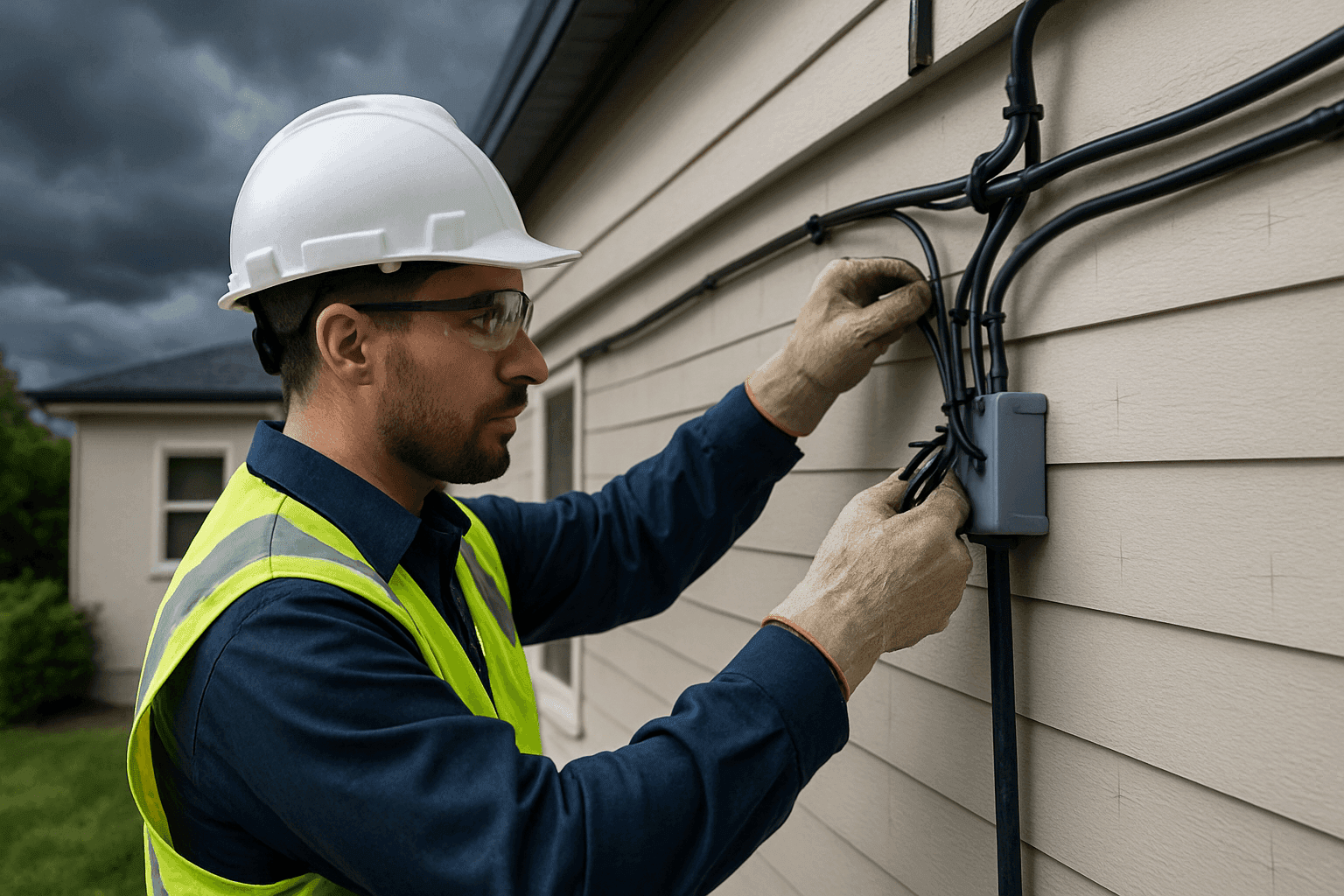
Storms roll in fast, and when they do, your home’s electrical system can take the brunt of the blow. In our experience at K Kaiser Electric, even the most modern homes are vulnerable to power surges, outages, and hidden hazards that can lurk long after the clouds clear.
Whether you’re a homeowner or run a business, a little preparation goes a long way. Let’s break down the steps to keep your property safe, your investment protected, and your family out of the dark.
Why Storms Are Hard on Your Electrical System
Imagine your electrical panel as the heart of your home. Storms are like sudden sprints—unexpected stress on the system. Lightning strikes can send shockwaves through wiring. Fallen branches can rip down lines. Even brief outages can scramble sensitive electronics and risk fire. No two storms are the same, but they share one thing in common: unpredictability.
The National Fire Protection Association (NFPA) and the Electrical Safety Foundation International (ESFI) both warn that storm-related electrical issues are leading causes of home fires and costly repairs. Staying ahead is not just smart—it’s essential.
Quick Electrical Safety Checklist ⚡
Before the first flash of lightning, tackle these must-dos:
- Test smoke and carbon monoxide detectors. Replace batteries if needed.
- Unplug sensitive electronics. TVs, computers, and appliances don’t like surprises.
- Check your surge protection. Power strips aren’t enough; whole-house surge protectors are better.
- Inspect backup generators. Make sure they’re fueled, and cords are undamaged.
- Secure outdoor wiring. Loose wires and weather don’t mix.
- Know your main shut-off. Every adult should know how to cut power safely.
- Stow away extension cords. Water + cords = trouble.
- Keep emergency lighting handy. Flashlights beat candles for safety.
These steps are like putting on a raincoat before the storm hits. Simple, effective, and sometimes life-saving.
Preparing Before the Storm Hits
Advance prep isn’t about paranoia—it’s about peace of mind. Here’s how to get your electrical system storm-ready:
Surge Protection: Your First Line of Defense
Lightning and downed lines can send dangerous voltage surges through your home. A whole-home surge protector (installed at your panel by a qualified electrician) works like a bouncer at the door, stopping excess energy before it can fry your circuits.
- Upgrade outdated or missing surge protection.
- Plug expensive electronics into surge-protected outlets.
- Review the latest National Electrical Code (NEC) updates for surge protection requirements.
Generator Maintenance and Checks
Generators keep the lights on when the grid goes down. But a neglected generator can be worse than none at all.
- Test-run at least once a month.
- Check oil and fuel levels.
- Inspect cords, plugs, and transfer switches.
- Never run portable generators indoors or in garages—carbon monoxide kills fast.
Secure Outdoor Wiring & Equipment
Wind and water can expose wiring, creating hidden dangers.
- Inspect outdoor outlets for weatherproof covers.
- Fasten loose wires to keep them from flapping in the wind.
- Clear debris from around your meter, panels, or pool/spa equipment.
Emergency Shut-off Procedures
Make sure everyone in your household knows where the main breaker is and how to safely shut off power. It’s like knowing where the fire extinguisher is—critical, but often forgotten.
During a Power Outage: What To Do
Darkness falls. The fridge hums to a halt. Here’s how to stay safe and minimize risk:
- Leave one light on so you know when power returns.
- Avoid opening the fridge or freezer. Cold air is precious.
- Unplug major appliances to prevent surge damage when power is restored.
- Never use gas stoves or grills for heat. Carbon monoxide is invisible—and deadly.
- Check smoke/CO detectors. Some only work on house power; battery backups matter.
If you use a generator, follow manufacturer’s guidelines and local codes. Improper use risks fire, shock, and even backfeeding—sending electricity back into power lines, endangering utility workers.
After the Storm: Safety First
Once the skies clear, dangers can linger in hidden places.
- Inspect for water damage around outlets, breaker panels, and wiring.
- Check smoke and CO detectors again. Moisture can short sensors.
- Reset only if safe. If breakers trip and won’t reset, call an electrician.
- Report downed lines. Never touch them, even if they look dead.
- Look for scorched outlets or burning smells. These are warning signs.
It’s tempting to flip everything back on and get back to normal. But patience prevents disaster.
Safeguarding Sensitive Electronics
Today’s homes are packed with smart TVs, computers, and appliances. These devices are as sensitive as a stack of fine china.
- Use UL-listed surge protectors for every major device.
- Consider uninterruptible power supplies (UPS) for computers or security systems.
- Don’t daisy-chain extension cords or power strips.
- Schedule regular checks of home automation and low-voltage systems.
A little caution saves a lot of heartache (and money).
Ensuring Smoke & CO Detectors Work
Storms often knock out power, which can cause unseen hazards like smoldering wires or carbon monoxide leaks from generators.
- Test detectors monthly.
- Replace batteries twice a year (set a reminder with daylight saving time).
- Upgrade to interconnected detectors for whole-home coverage.
- Replace outdated units—most expire after 7–10 years.
The U.S. Consumer Product Safety Commission underscores that early warning saves lives. Don’t gamble with safety.
DIY vs. Call a Pro
Some tasks are perfect for a hands-on homeowner. Others belong to a licensed electrician.
Safe to DIY
- Testing detectors and replacing batteries.
- Unplugging electronics before storms.
- Checking and running portable generators (following instructions).
Call a Pro For
- Installing or upgrading surge protection.
- Generator wiring or transfer switch installation.
- Rewiring, panel upgrades, or any high-voltage work.
- Electrical system inspections after major storms.
It’s the electrical equivalent of knowing when to change your oil and when to go to the mechanic. Some jobs just aren’t worth the risk.
What Electricians Do On Arrival
Here’s what happens when you call K Kaiser Electric after a storm:
- Visual inspection: Panels, outlets, and visible wiring for water or impact damage.
- Testing: Specialized instruments check for short circuits or hidden faults.
- System checks: We verify your Motor Control Systems, lighting, and backup power sources.
- Documentation: If required for insurance or safety certificates.
- Repairs: Immediate fixes for hazards, and recommendations for upgrades if needed.
We follow National Electrical Code standards and guidelines from bodies like OSHA and ESFI.
Prevention & Regular Maintenance
Storm prep is great. Year-round maintenance is even better. Here’s what to schedule:
- Annual electrical safety inspections.
- Routine testing of backup generators.
- Panel and breaker checks.
- Updating old wiring or panels.
- Pool and spa electrical checks before summer.
- Routine outlet and switch tests.
Think of it as an annual checkup for your home’s heart and nerves.
Costs & Time Factors
Every home and business is different, but here’s what to expect:
- Whole-home surge protection: Usually a half-day install by a licensed electrician.
- Generator checks: 1–2 hours for routine inspection.
- Panel upgrades or rewiring: Can take a day or more, depending on complexity.
- Emergency service: Fast, but depends on storm impact and local demand.
Investing in prevention is always cheaper than dealing with aftermath. And downtime for your business? That gets expensive fast.
When It’s an Emergency 🚨
Sometimes, you can’t wait.
Call an electrician immediately if:
- You see sparks, smoke, or burning smells.
- Water is pooling around outlets or your panel.
- Breakers keep tripping and won’t reset.
- You suspect shock hazards (tingling, buzzing, or hot outlets).
Don’t try to fix these yourself. Emergency electrical problems escalate quickly and can be deadly.
FAQ: Storm & Emergency Electrical Prep
How often should I test my generator and detectors?
Test generators monthly. Smoke and CO detectors—monthly for alarms, twice a year for batteries.
Is surge protection really necessary if I have insurance?
Insurance may cover some losses, but it can’t replace irreplaceable data or the hassle of repairs. Surge protection is your first shield.
Can I safely reset my own breakers after a storm?
If there’s water damage or burning smells, call an electrician. If it’s dry and the breaker resets easily, it’s usually safe—but monitor for issues.
What if my pool or spa wiring gets wet?
Turn off power at the breaker and call a professional. Water and electricity don’t mix.
Local & Seasonal Considerations
Whether you’re in hurricane country, snow-prone regions, or face summer thunderstorms, your prep may vary:
- Hurricane zones: Secure all outdoor wiring and install generator interlocks.
- Snow regions: Inspect for ice buildup on outdoor lines and backup heating systems.
- Dry climates: Watch for dust and debris in panels and outdoor outlets.
- Urban areas: Protect low-voltage systems, phone, and data cabling during power surges.
No matter where you live, preparation is the best defense.
Storms and outages don’t give warnings, but you can be ready. For inspections, upgrades, or emergency repairs—Call K Kaiser Electric now — or reach us anytime at 844-491-1445 .