How Much Does It Cost to Rewire a House? Complete Breakdown
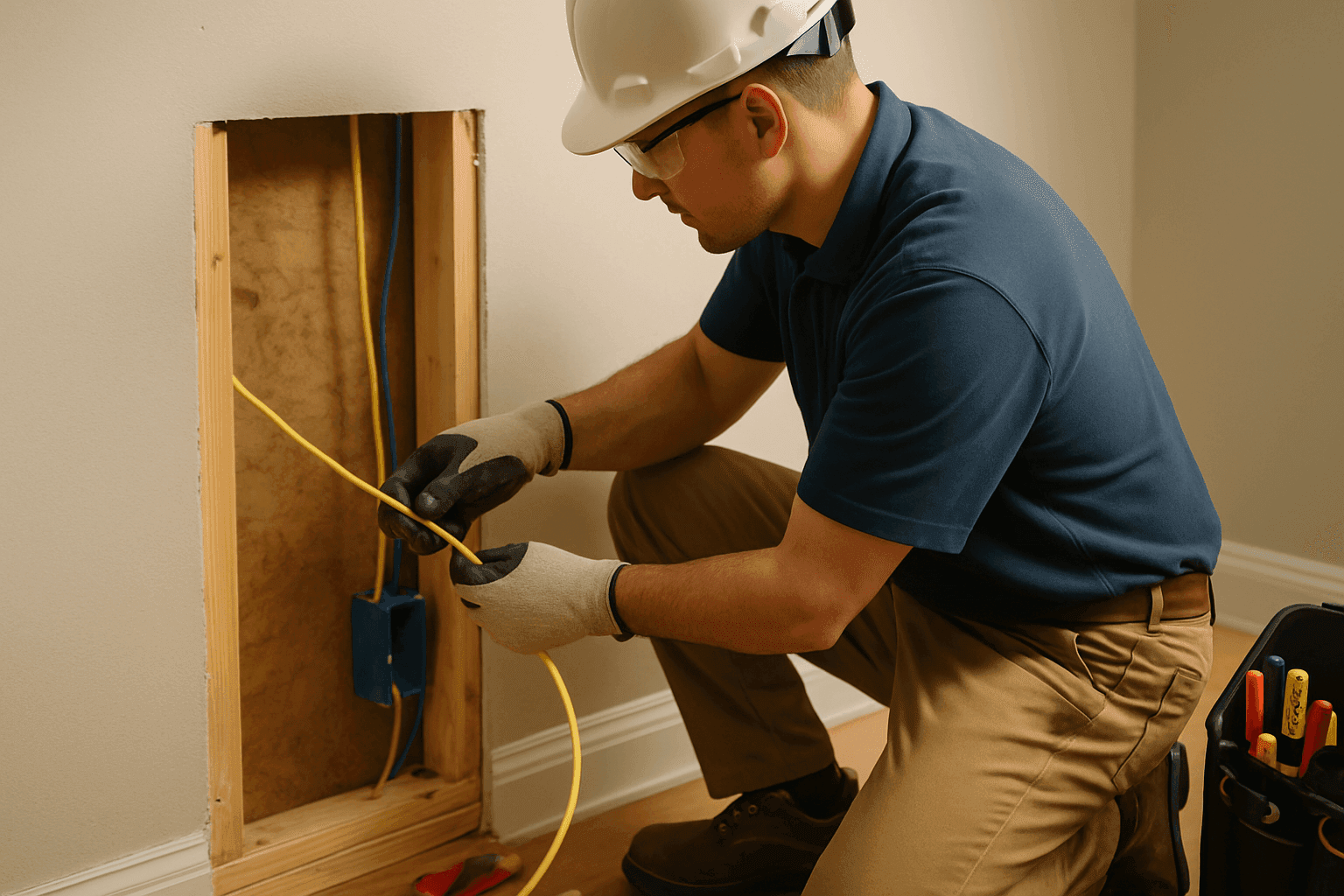
Is your home’s wiring keeping up, or is it stuck in the past? Behind the walls, miles of cable quietly power your lights, appliances, and peace of mind. But as homes age, those wires can turn from reliable workhorses into hidden risks.
At K Kaiser Electric, we know that rewiring isn’t just a project—it’s a safeguard. Whether your place is a cozy bungalow, a sprawling ranch, or a busy business, understanding the costs and process of rewiring is essential. Let’s break it all down so you can make the safest, smartest choice for your space.
Why Would a House Need Rewiring?
Imagine your electricity as the veins of your home. When those veins get clogged or brittle, things go wrong—sometimes in a flash. Older homes, especially those built before the 1980s, often have wiring that just isn’t up to modern needs. But age isn’t the only reason.
Common reasons to consider rewiring:
- Frequent blown fuses or tripped breakers
- Flickering or dimming lights (especially when using appliances)
- Two-prong outlets, or not enough outlets for today’s gadgets
- Outlets or switches that feel warm, look scorched, or smell odd
- Aluminum wiring (common in homes built 1965–1973)
- Upgrading major appliances or installing EV chargers
- Major renovations or additions
If you’re seeing any of these signs, it may be time for a professional electrician to assess what’s going on behind the scenes.
Quick Home Safety Checklist ⚡
Before you do anything, take a moment to walk through this basic safety checklist:
- Check all outlets and switches—are they cool and snug, or loose and warm?
- Look for signs of burning or discoloration around outlets and switches.
- Listen for buzzing or crackling from walls or panels.
- Note if breakers trip often, especially when using multiple devices.
- Smell for anything odd, like burning plastic or ozone.
- Pay attention to appliances—do lights dim or flicker when you use them?
If you notice any of these red flags, stop using the affected outlets and call a licensed electrician immediately.
Should You DIY or Call a Pro?
Rewiring isn’t like painting a room or swapping out a faucet. It’s more like surgery—a job with zero room for error. Mistakes can lead to fire, shock, or expensive code violations.
Risks of DIY or unlicensed electrical work:
- Fire hazards from improper connections or overloaded circuits
- Voided insurance or home warranty
- Failing city inspections or code requirements
- Hidden problems that only surface months or years later
According to the National Fire Protection Association (NFPA), faulty wiring is a leading cause of house fires. The safest bet? Work with a licensed electrician with experience in everything from Motor Control Systems to home automation—someone who understands both the science and the art behind modern wiring.
What Pros Do On Arrival
When you call K Kaiser Electric (or any reputable electrician), here’s what you can expect:
- Initial Inspection: A thorough walkthrough to check panels, outlets, and visible wiring.
- Testing: Using specialized equipment to test circuits for continuity, load, and grounding.
- Code Review: Making sure your setup meets the latest National Electrical Code (NEC) standards.
- Estimate & Plan: Detailed cost breakdown, including labor, materials, permits, and timelines.
- Safety Measures: Setting up safe work zones, shutting off power as needed, and protecting your property from dust and debris.
- Systematic Rewiring: Removing old wiring, fishing new wires behind walls, and carefully labeling everything.
- Upgrades & Add-Ons: Replacing panels, adding outlets, integrating smart home devices, or upgrading for EV chargers.
- Final Testing & Inspection: Verifying that every circuit, outlet, and breaker works properly—and meets safety codes.
Throughout the process, clear communication is key. You should always know what’s happening, why, and what comes next.
Prevention & Maintenance Tips
Want to avoid surprises? Regular maintenance goes a long way. Here’s how to keep your wiring in top shape:
- Schedule periodic electrical safety inspections (every 5–10 years for most homes, or before/after major renovations).
- Have a pro check panels and breakers for wear or outdated parts.
- Upgrade old outlets to GFCI/AFCI where required—especially in kitchens, baths, and outdoors.
- Don’t overload circuits with too many power-hungry devices.
- If you add major appliances, call an electrician to assess the load.
A little prevention saves a lot of worry—and cost—down the road.
What Affects the Cost to Rewire a House?
Rewiring isn’t one-size-fits-all. The final price tag depends on several key factors:
1. Size of the Home
- A small 800 sq. ft. bungalow costs less than a 4,000 sq. ft. two-story house. More space means more wire, more labor, and more outlets.
2. Age & Construction
- Older homes often mean harder access—think plaster walls, tight crawl spaces, or outdated panels.
- Homes with knob-and-tube or aluminum wiring require special techniques and extra caution.
3. Accessibility
- Open framing (like during a remodel) is easier—and cheaper—than working with finished walls.
- Finished basements, additions, or built-ins can add complexity.
4. Materials & Upgrades
- Premium outlets, smart switches, surge protectors, or specialty wiring (like for pools or spas) add cost.
- Upgrading panels or adding circuits for modern appliances or EV chargers increases both materials and labor.
5. Code Compliance
- All work must meet NEC and local codes. Sometimes, older homes need panel upgrades or extra grounding to pass inspection.
6. Permits & Inspections
- Local permits are non-negotiable. Factor in the cost and time for city inspections.
Average Cost Ranges
- Small home or apartment (800–1,200 sq. ft.): $4,000–$8,000
- Mid-sized house (1,200–2,500 sq. ft.): $8,000–$15,000
- Large house (2,500+ sq. ft.): $15,000–$30,000+
Those numbers include labor, materials, and basic finish work—but not every possible add-on.
Potential Add-Ons That Affect Price 💡
- Panel upgrades
- Surge protection
- Smart home system integration
- Additional outlets, switches, or lighting
- Dedicated circuits for heavy appliances or EV chargers
- Generator hookup or backup systems
- Low voltage wiring for data, security, or intercoms
- Pool, spa, or outdoor electrical work
Your needs and wish-list will steer these extras—but they do add up.
How Long Does It Take?
- Typical rewiring: 5–10 days for an average single-family home
- Larger or more complex jobs: 2–4 weeks
- Occupied homes: May take longer, since electricians work in sections to keep part of the home powered
Clear communication with your electrician helps minimize disruption, dust, and downtime.
When Is Rewiring an Emergency?
Some wiring issues can wait for scheduling. Others can’t. If you notice any of these, act fast:
- Burning smell or smoke from outlets, switches, or panels
- Sparking, buzzing, or crackling sounds from walls
- Outlets or switches are hot to the touch
- Repeated tripped breakers that won’t reset
Electrical emergencies aren’t just inconvenient—they’re dangerous. Shut off power to the affected area and call for 24-hour service. K Kaiser Electric offers emergency electrician services near you, day or night.
Frequently Asked Questions
Q: Can I live in my house while it’s being rewired?
A: In most cases, yes. Electricians often work in sections, so parts of your home stay powered. But expect some dust, noise, and brief power outages.
Q: Do I need to upgrade my electrical panel when rewiring?
A: Not always, but it’s common—especially in older homes or when adding new circuits for modern appliances, EV chargers, or smart home systems.
Q: What about insurance or permits?
A: Permits are required for almost all rewiring jobs. Most home insurance policies require professional work and proper documentation, including safety certificates.
Q: How often should wiring be checked or replaced?
A: The Electrical Safety Foundation International (ESFI) recommends inspections every 10 years, or immediately after major renovations or when buying an older home.
Local and Seasonal Considerations
Rewiring projects can be affected by the season. Cold winters or rainy springs may slow exterior work or make attic/crawlspace access trickier. In some regions, permit approval may take longer during peak building months.
If you’re in a historic home, or planning a remodel, let your electrician know. Extra planning keeps the job smooth and preserves your home’s character.
Final Thoughts: Make Your Next Step a Safe One
Rewiring isn’t just an upgrade—it’s an investment in your home’s safety, efficiency, and future. The right electrician brings more than just tools; they bring peace of mind. Whether you need Motor Control Systems, smart home upgrades, or a whole-house rewire, K Kaiser Electric is ready to help.
Call K Kaiser Electric now — or reach us anytime at 844-491-1445 .