Choosing the Right Electrician: Credentials, Safety, and Questions to Ask
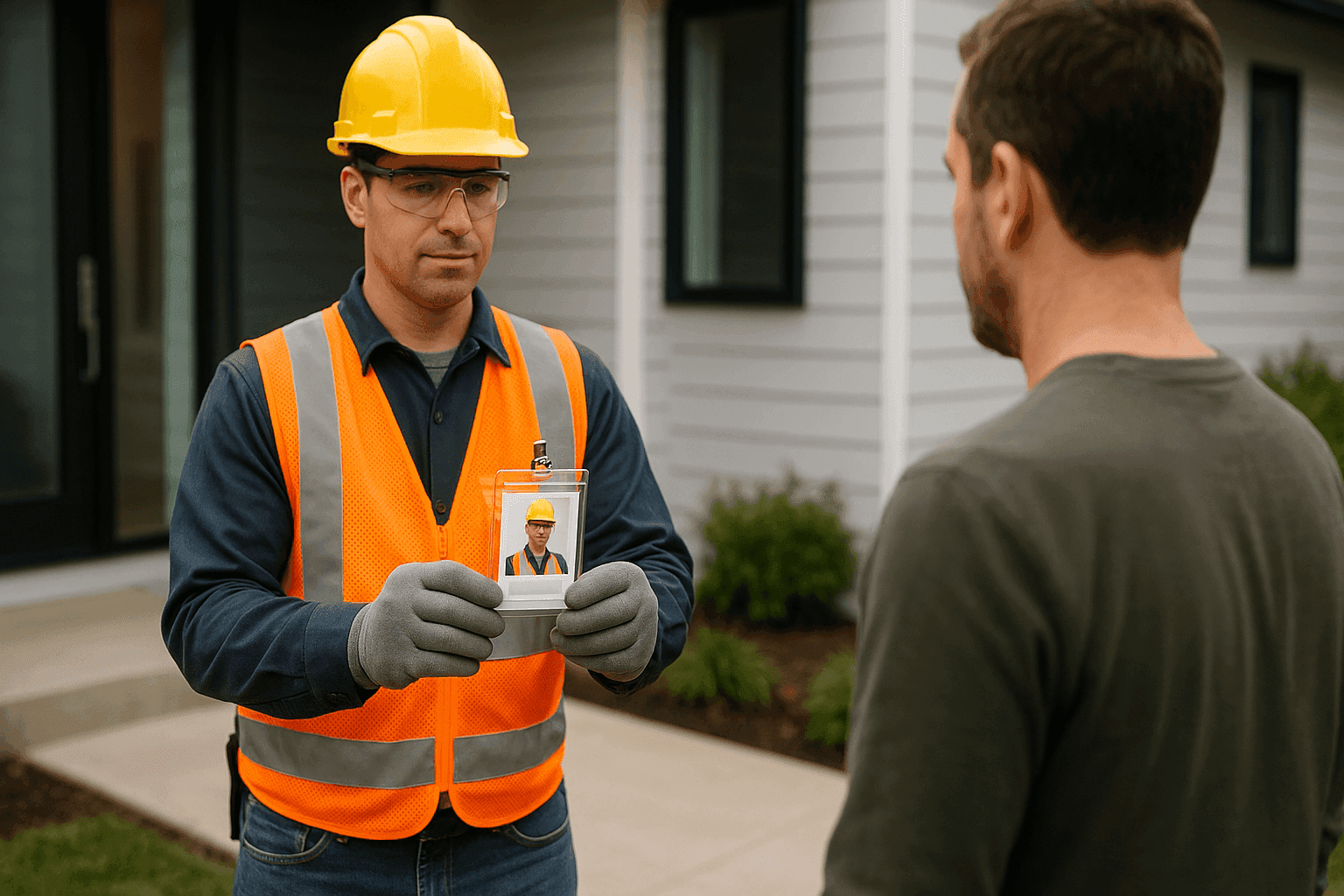
Is your electrical panel humming? Or maybe a ceiling fan is flickering more than it’s spinning? Choosing the right electrician isn’t just smart—it’s essential for your safety and peace of mind.
The stakes are high. Behind every light switch, there's a world of wires and codes. One wrong move and things can go dark—or worse. At K Kaiser Electric, we understand how overwhelming it can feel to invite someone into your home or business to handle the unseen infrastructure that keeps your world running.
Why Picking the Right Electrician Matters
Electrical work isn’t like changing a tire or painting a fence. It’s more like surgery for your house or building. The right professional keeps the heart of your property beating safely—whether it’s installing Motor Control Systems near you, rewiring old circuits, or adding new generators for backup power.
Hiring the wrong person? That’s a shortcut to disaster. Shoddy wiring, code violations, and safety hazards can lurk behind the walls for years—until suddenly, they don’t.
What Credentials Should a Good Electrician Have? 🪪
Credentials are your first line of defense. Think of them as a safety harness for your investment.
- Licensing: Every reputable electrician should hold a valid state license. This is not just a piece of paper—it’s proof they’ve passed rigorous testing and are up-to-date with local codes. You can verify this with your state’s electrical board.
- Insurance: Ask for proof of both liability and workers’ compensation insurance. This protects you if something goes wrong on the job.
- Experience: Look for electricians who’ve handled jobs like yours—residential wiring, commercial panel upgrades, or specialized services like EV charger installations.
- Certifications: Advanced or specialty certifications (such as for high-voltage systems, home automation, or motor control systems) show a commitment to best practices.
- References: Don’t be shy—ask for recent references. A trustworthy electrician won’t hesitate to share them.
Safety and Code Adherence: Non-Negotiables
A reliable electrician never cuts corners on safety. It’s not just about passing an inspection; it’s about protecting lives and property.
- Up-to-Date on National Electrical Code (NEC): The NEC sets the bar for electrical safety in the U.S. Every few years, it’s updated—your electrician should be, too.
- Permits: For most significant work, permits are required. If an electrician suggests skipping this step, that’s a red flag.
- Routine Safety Checks: Regular maintenance and inspection are like checkups for your electrical system—essential to catch small problems before they become big headaches.
According to the National Fire Protection Association (NFPA), electrical failures or malfunctions are a leading cause of home fires. That’s why it’s so important to hire someone who’s serious about code compliance and safety.
Quick Safety Checklist Before You Hire
- Proof of current license and insurance
- Experience with your specific needs (e.g., pool & spa wiring, smoke detectors, commercial wiring)
- Positive references from recent clients
- Clear, written estimates
- Willingness to obtain necessary permits
A little diligence now can save you from big trouble later.
DIY vs. Call a Pro: When to Pick Up the Phone
DIY has its place—painting a room, hanging a picture, maybe even installing a dimmer switch. But when it comes to electrical work, the risks multiply fast.
DIY is okay for:
- Changing a light bulb
- Resetting a tripped breaker
Call a pro for:
- Anything behind walls (wiring, outlets)
- Panel upgrades or breaker replacements
- Installing new appliances, ceiling fans, or EV chargers
- Smoke and carbon monoxide detector installation
- Pool and spa electrical systems
Remember: Electricity is invisible and unforgiving. Even a small mistake can lead to injury, fire, or costly repairs.
What Professionals Do When They Arrive
A good electrician is like a detective with a tool belt. Here’s what to expect when they arrive:
- Assessment: They’ll listen to your concerns, inspect the affected areas, and ask questions about your system.
- Diagnosis: Using specialized tools, they’ll test circuits, breakers, and wiring to find the root cause of issues.
- Plan: They'll explain the work needed in clear terms—no jargon or guesswork.
- Execution: The work is done with precision, following all safety and code requirements.
- Cleanup: The only thing left behind is a safe, functioning system—not a mess.
Prevention & Maintenance: Staying Ahead of Trouble
The best way to avoid electrical issues? Prevent them before they start.
- Annual Safety Inspections: Regular checkups help catch problems early—especially in older homes or buildings.
- Upgrade Outdated Systems: Older panels and wiring can’t keep up with today’s power needs. Upgrades improve safety and efficiency.
- Surge Protection: Whole-house or panel-level surge protection guards against damage from lightning and power spikes.
- Regular Testing: Test smoke and carbon monoxide detectors monthly. Change batteries at least once a year.
Staying proactive is the surest way to keep your property safe and powered up.
Costs & Time Factors: What to Expect
Pricing for electrical work can vary—think of it like bringing your car to the shop. The final bill depends on the problem, the parts needed, and the time involved.
You might encounter:
- Service call fees: A standard charge for coming out to diagnose.
- Hourly or flat rates: Depends on the job—installing an outlet is different from rewiring a house.
- Parts/materials: Quality matters. Using approved, code-compliant parts is non-negotiable.
- Timeline: Simple fixes might take an hour, but complex jobs (like whole home rewiring or Motor Control Systems installation) could span several days.
Always ask for a written estimate and a realistic timeline before work begins. Transparent pricing helps everyone stay on the same page.
When It’s an Emergency 🚨
Some electrical problems can’t wait.
Call immediately if you notice:
- Burning smells from outlets or panels
- Flickering or dimming lights throughout the property
- Sparking outlets or exposed wires
- Total power loss (especially in commercial settings)
- Frequent breaker trips or blown fuses
In these cases, shut off power if it’s safe, keep clear of hazards, and call for 24-hour emergency service. Fast action can prevent injuries and property damage.
Questions to Ask Before You Hire
Don’t be afraid to ask tough questions. The best electricians welcome them—they’re a sign you care about your property.
- Are you licensed and insured for this type of work?
- Have you handled jobs like mine before? (e.g., commercial wiring, home automation, EV charger installation)
- Will you handle permits and inspections?
- What safety practices do you follow on the job?
- Can you provide references from recent clients?
- How do you approach unexpected problems or changes in the project?
- What’s your policy on transparent pricing and communication?
If answers are vague or evasive, keep looking.
Risks of Hiring Unlicensed Contractors
Cutting corners on credentials is like skipping seatbelts on a road trip. Unlicensed work might seem cheaper, but it can cost you big:
- Shoddy or unsafe work
- Voided insurance policies
- Failed inspections
- Legal trouble if injuries occur on-site
Protect your investment. Your safety is worth more than a bargain.
Benefits of Clear Communication & Transparent Pricing
Clear communication is the bridge between your needs and a job well done. A good electrician will:
- Explain the problem and solution in plain language
- Provide written estimates before starting
- Update you on progress and any issues
- Answer your questions patiently
This openness builds trust—and helps avoid surprises.
Frequently Asked Questions
How often should I schedule an electrical safety inspection?
For most homes, once every three to five years is a good rule of thumb. Older buildings or properties with heavy equipment (like commercial sites) may need more frequent checks.
Can I upgrade my panel or add circuits myself?
Panel upgrades and new circuits should always be handled by a licensed electrician. Mistakes here can lead to fire hazards or code violations.
Do you provide 24-hour emergency service?
Yes—K Kaiser Electric is available around the clock for urgent electrical issues, from power outages to dangerous wiring problems.
What about specialized jobs like Motor Control Systems near me?
We have experience with a wide range of residential and commercial systems, including Motor Control Systems, EV charger installations, home automation, and more. Ask about your specific needs!
Local & Seasonal Considerations
Different seasons bring different electrical challenges.
- Winter: Heating systems, backup generators, and holiday lighting add demand. Schedule inspections before the cold sets in.
- Summer: Air conditioning, pool equipment, and outdoor lighting need safe, reliable power.
- Storm season: Surge protection and emergency backup are vital when storms threaten outages.
No matter the season, staying prepared keeps you—and your property—safe.
Ready for peace of mind? Call K Kaiser Electric now — or reach us anytime at 844-491-1445 .